
Heart Transplant in India
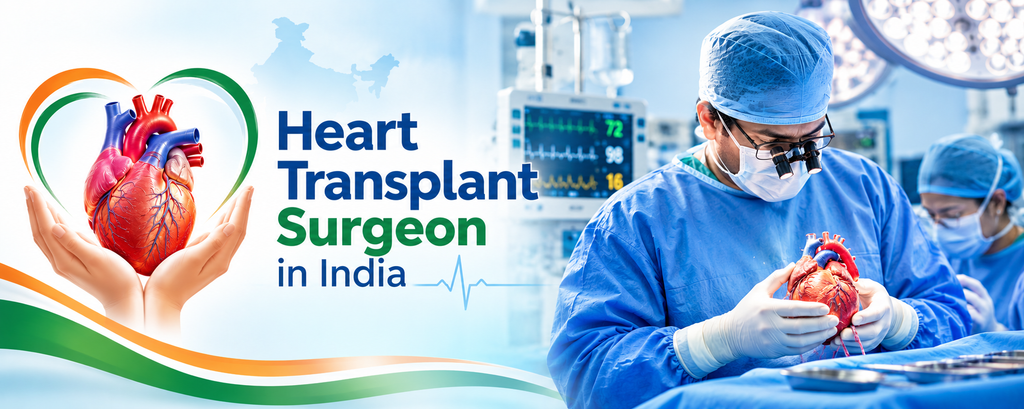
A heart transplant is a surgical procedure that replaces the failing or diseased heart with a donor heart. This is usually an option for patients whose heart failure cannot be managed with medicines, devices, or other cardiac procedures. Dilated cardiomyopathy, ischaemic cardiomyopathy, coronary artery disease, and congenital heart conditions can lead to the requirement of a heart transplant in India. However, not all patients with advanced heart conditions would require a heart transplant.
Heart transplant in India for international patients consists of various steps such as pre-transplant assessment, allotment of a donor heart, transplant surgery, and intensive care, followed by long-term evaluation. Even though transplants have to be performed outside India, some patients prefer to have their transplants done in India because of the availability of cardiac hospitals, transplant teams, intensive care, and other cardiac services. Treatment costs and availability vary by hospital and depend on the patient’s condition and the level of care needed.
All patients undergoing a transplant evaluation in India should be aware that transplant laws, including organ donation and allocation laws, differ from country to country and are strictly enforced. A heart transplant cannot be arranged based on patients’ ability to pay. International patients should understand Indian transplant laws to evaluate their options fully. Heart transplantation in India for medical travellers may be an alternative for patients seeking specialized care within a legal and ethical framework.
Best Heart Transplant Surgeon in India
People with end-stage heart disease must make the important decision of identifying the best heart transplant surgeon in India for foreign nationals. Heart transplantation is a complicated surgical procedure that requires the expertise of cardiac surgeons, transplant cardiologists, anesthesiologists, and intensivists. When comparing heart transplant specialists in India, international patients should consider the surgeon’s experience, the hospital’s transplant program, critical care facilities, and post-transplant care. The best surgeon has the experience to assess and treat the patient as the situation warrants.
An experienced transplant cardiologist in India for medical tourists works with the transplant team and assesses the patient to make an informed decision about the potential risks and expected outcomes of surgery and post-transplant responsibilities. They should be able to guide patients on the hospital’s assessment of transplant eligibility and post-transplant care. For a patient traveling from abroad, finding the right heart transplant surgeon means considering how the doctor works with the transplant team, communicates with the patient, reviews the patient’s medical record, helps coordinate appointments and treatment planning, and supports the patient and family.
A seasoned transplant cardiologist in India should be part of a comprehensive transplant program that offers pre- and post-transplant care. Popular heart treatments in India include pediatric heart surgery, angioplasty treatment in India, heart bypass surgery in India, and heart valve replacement in India.
Types of Heart Transplant Procedures and Treatment
The treatment approach depends on the patient’s diagnosis, heart function, and overall health. Common transplant-related procedures and clinical categories include:
- Orthotopic heart transplant
- Heart transplant for advanced heart failure
- Heart transplant for cardiomyopathy
- Heart transplant for coronary artery disease
- Heart transplant for congenital heart disease
- Combined heart and other organ transplantation
Best Heart Transplant Hospital in India
Comparing the best heart transplant hospitals in India for medical travellers goes beyond a simple comparison of hospital or treatment package names. The family of a potential heart transplant recipient needs to look at the entire program and key members, such as the cardiac facilities, surgeons, transplant coordinators, and other professionals who will manage the case on an ongoing basis. A single, integrated plan of care should guide the entire program. The recipient’s family should also ask about the hospital’s experience in heart transplantation, eligibility criteria, and follow-up care if complications occur.
Practical factors will help families of potential heart transplant recipients to decide on the best heart transplant hospital in India. The hospital must have the clinical expertise and facilities to address the patient’s overall condition, as well as have a process to explain treatment plans and expected costs appropriately. Other practical factors to consider when choosing the best heart transplant hospital in India include the ability to integrate cardiac and rehabilitation services, along with specialized care and management of long-term medications.
While assessing a heart transplant hospital in India for foreigners, check if they provide the following:
- Experienced heart transplant surgeons
- Multidisciplinary transplant teams
- Advanced cardiac intensive care units
- Modern operating theatres and cardiac facilities
- Pre-transplant evaluation and testing
- Organ transplant coordination services
- Infection prevention and monitoring
- Post-transplant rehabilitation
- Long-term follow-up and medication management
- International patient support
Heart Transplant Cost in India for Foreigners
The heart transplant cost in India for foreigners may vary due to several medical and non-medical factors. The hospital may charge an all-inclusive price for transplant-related evaluations, investigations, and specialist consultations, surgery, intensive care, medicines, and hospital stay. Expenses relating to lodging and meals may or may not be included in the transplant cost. The cost also does not include the follow-up visits, which may be needed once the patient returns to their home country. Since several factors may influence the final cost, it is advisable to request an estimate from the hospital.
Patients wanting to know the heart transplant cost in India for international patients should request a detailed, written explanation of costs. The cost quoted for a heart transplant in India may include only a few services. It may not include complications, prolonged stay in intensive care, post-transplant medications, and follow-up on return to the home country. Review a heart transplant package in India for medical tourists to understand what is covered, what is not covered, and potential costs you may incur later. Discuss the total cost of a heart transplant in India with the transplant team and financial coordinator. Clarify the total cost of heart transplantation in India before making travel arrangements.
The total cost may depend on:
- Pre-transplant investigations
- Patient’s medical condition
- Hospital and specialist fees
- Surgical and intensive care requirements
- Length of hospital stay
- Medicines and infection management
- Additional procedures or treatment
- Rehabilitation and follow-up
- Travel and accommodation
- Long-term care
HealthPrio – Connect for Heart Transplant in India
It is understandable how overwhelming it is for a patient to deal with a critical cardiac condition and have to take up the responsibility of seeking treatment in a different country. HealthPrio wants to ease this burden by helping patients connect with the right specialists and hospitals in India to evaluate treatment pathways and identify next steps. They understand the need for our service and want to help patients organize their medical information so they can participate in crucial treatment discussions with their transplant team.
HealthPrio can help:
- Connecting patients with transplant specialists
- Coordinating consultations and second opinions
- Organizing medical records
- Facilitating preliminary assessments
- Requesting personalized cost estimates
- Coordinating hospital appointments
- Supporting international patients
- Planning follow-up care
Potential Benefits of Heart Transplantation
For patients with end-stage heart disease who meet the eligibility criteria, a heart transplant may improve their health and daily life by replacing a severely damaged heart with a donor heart of better quality. This may enhance the body’s ability to receive oxygen-rich blood and support normal activities of daily life. Transplantation carries risks and may involve complications. It requires lifelong use of anti-rejection medications and other medications and requires further medical evaluation and testing.
Potential benefits may include:
- Improved heart function
- Relief from advanced heart failure symptoms
- Improved exercise capacity
- Better quality of life
- Potential for longer survival
Conditions That May Require a Heart Transplant
Sometimes, when heart disease has become severe and is in an end-stage condition, heart transplantation is considered if other available options, such as medication, surgery, and medical devices, are not providing an acceptable improvement. The condition must significantly reduce the quality of the patient’s life, leave the patient at risk for further complications, and the patient must meet the requirements for a heart transplant. Popular organ transplants in India include bone marrow transplants, kidney transplants, liver transplants, etc.
Conditions that may lead to consideration of a heart transplant include:
- Advanced heart failure
- Dilated cardiomyopathy
- Ischaemic cardiomyopathy
- Restrictive cardiomyopathy
- Severe coronary artery disease
- Congenital heart disease in selected patients
- Certain cases of severe heart muscle disease
- End-stage heart disease unresponsive to other treatments
You may Also Like: Early Signs of Diabetes You Should Never Ignore